Iran War Chokes Aid Corridors, Obstructing Global Relief Efforts

4 weeks ago
Aid to Gaza, Sudan and other world crises is grinding to a halt as the war in the Middle East disrupts air, sea and land routes, ten aid officials have told Reuters.
The U.S.-Israeli war on Iran has resulted in airspace closures and the halt of shipping through the critical Strait of Hormuz, which is effectively closed.
Life-saving goods for rapid regional deployment are stuck at warehouses in Dubai's Humanitarian Hub, and costs are soaring for helping the hundreds of millions suffering hunger.
“If we don't deliver goods from humanitarian cargo, the impact could be lives not saved. So we are really worried about the situation," said Cecile Terraz of the International Federation of Red Cross and Red Crescent Societies.
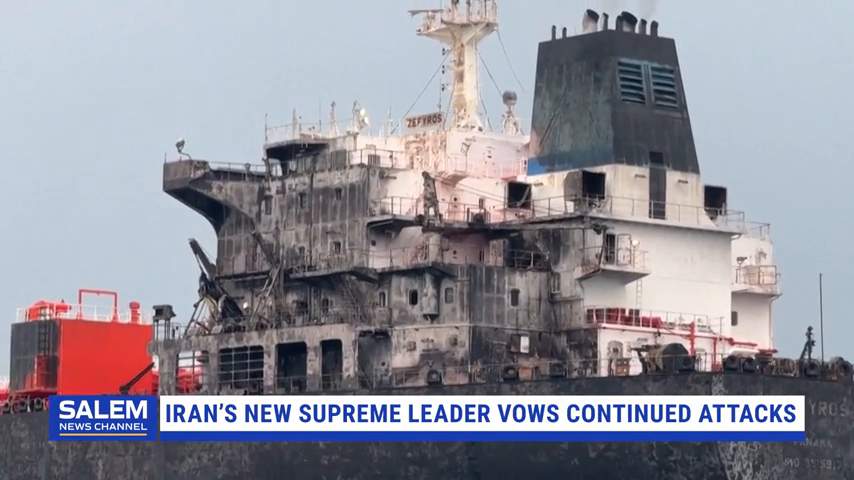
On March 1 Jebel Ali, the region's largest container terminal, was set ablaze by the debris of an intercepted missile.
Massive donor cuts are already straining aid groups' budgets. Now they face soaring operational costs.
Costs for fuel, transportation and insurance are rising.
Shipping firms are demanding emergency surcharges of approximately $3,000 per container, according to the International Organization for Migration.
Tents, tarpaulins and lamps destined for Gaza and the Israeli-occupied West Bank are stuck in the supply chain, the group said.
“We're particularly concerned about Africa," said UNHCR spokesperson Charlotte Wolf.
"Sudan is approaching very shortly the three-year mark of this terrible crisis, the largest displacement crisis in Africa. And of course, crises that are already extremely neglected and lacking immediate funding. And so this could be further exacerbated," said Wolf.
Jean-Martin Bauer, Director of Food Security at the U.N.'s World Food Program, said the war could increase the risk of hunger worldwide.
"And it's not just the cost, it's also the time. The time factor is quite critical here. We're talking about very important nodes in the global transportation network and the global supply chain network. And what will happen is that people in dire need of assistance will have to wait longer for food," said Bauer.
The U.S.-Israeli war on Iran has resulted in airspace closures and the halt of shipping through the critical Strait of Hormuz, which is effectively closed.
Life-saving goods for rapid regional deployment are stuck at warehouses in Dubai's Humanitarian Hub, and costs are soaring for helping the hundreds of millions suffering hunger.
“If we don't deliver goods from humanitarian cargo, the impact could be lives not saved. So we are really worried about the situation," said Cecile Terraz of the International Federation of Red Cross and Red Crescent Societies.
On March 1 Jebel Ali, the region's largest container terminal, was set ablaze by the debris of an intercepted missile.
Massive donor cuts are already straining aid groups' budgets. Now they face soaring operational costs.
Costs for fuel, transportation and insurance are rising.
Shipping firms are demanding emergency surcharges of approximately $3,000 per container, according to the International Organization for Migration.
Tents, tarpaulins and lamps destined for Gaza and the Israeli-occupied West Bank are stuck in the supply chain, the group said.
“We're particularly concerned about Africa," said UNHCR spokesperson Charlotte Wolf.
"Sudan is approaching very shortly the three-year mark of this terrible crisis, the largest displacement crisis in Africa. And of course, crises that are already extremely neglected and lacking immediate funding. And so this could be further exacerbated," said Wolf.
Jean-Martin Bauer, Director of Food Security at the U.N.'s World Food Program, said the war could increase the risk of hunger worldwide.
"And it's not just the cost, it's also the time. The time factor is quite critical here. We're talking about very important nodes in the global transportation network and the global supply chain network. And what will happen is that people in dire need of assistance will have to wait longer for food," said Bauer.